Plant of the Month:
Cyclamen persicum
Florist’s Cyclamen · Persian Cyclamen
Don’t throw it out just yet.
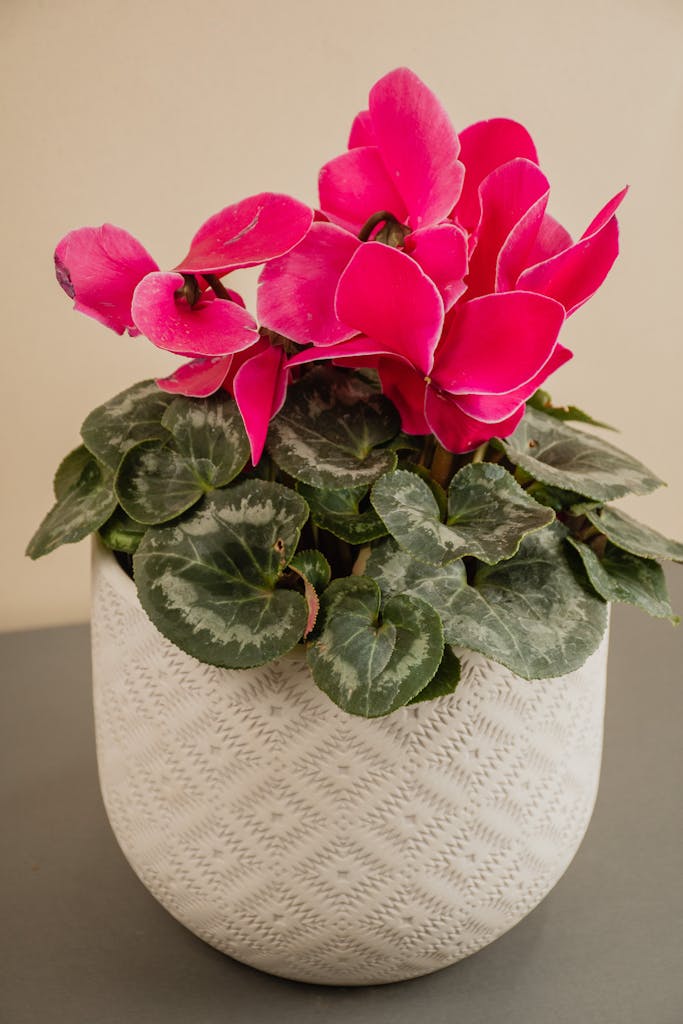
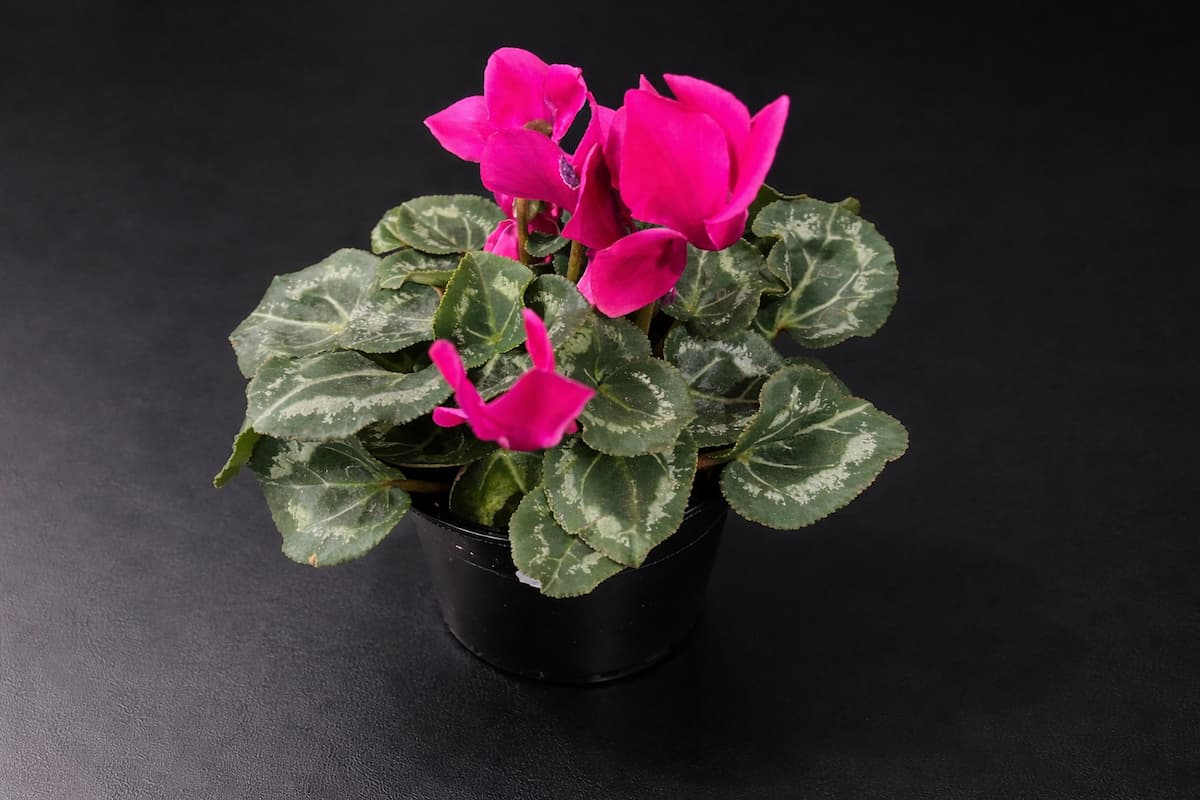
If you’ve ever spotted delicate, butterfly-like blooms hovering above silvery heart-shaped leaves in the middle of winter, chances are you were looking at Cyclamen persicum — florist’s cyclamen. While most of our gardens are resting under snow, this charming plant is at its peak, bringing color and life indoors during the darkest months of the year. It’s no wonder it has become one of the most beloved winter houseplants in the world.
The florist’s cyclamen we find in nurseries and garden centers today are cultivars descended from wild plants native to the eastern Mediterranean — rocky hillsides, oak thickets, and open woodlands stretching from south-central Turkey through Cyprus, Greece, Lebanon, Israel, and across North Africa. In those native haunts, the plant experiences warm, dry summers and cool, wet winters. Every care guideline we follow indoors is simply an attempt to recreate those conditions as faithfully as possible.
What Makes It Special
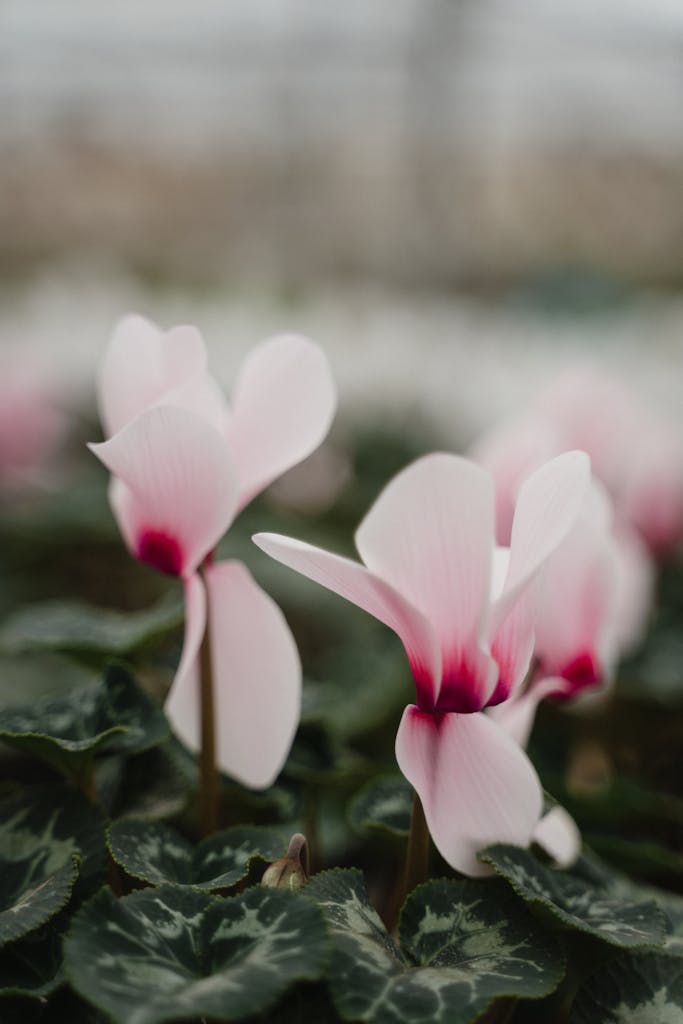
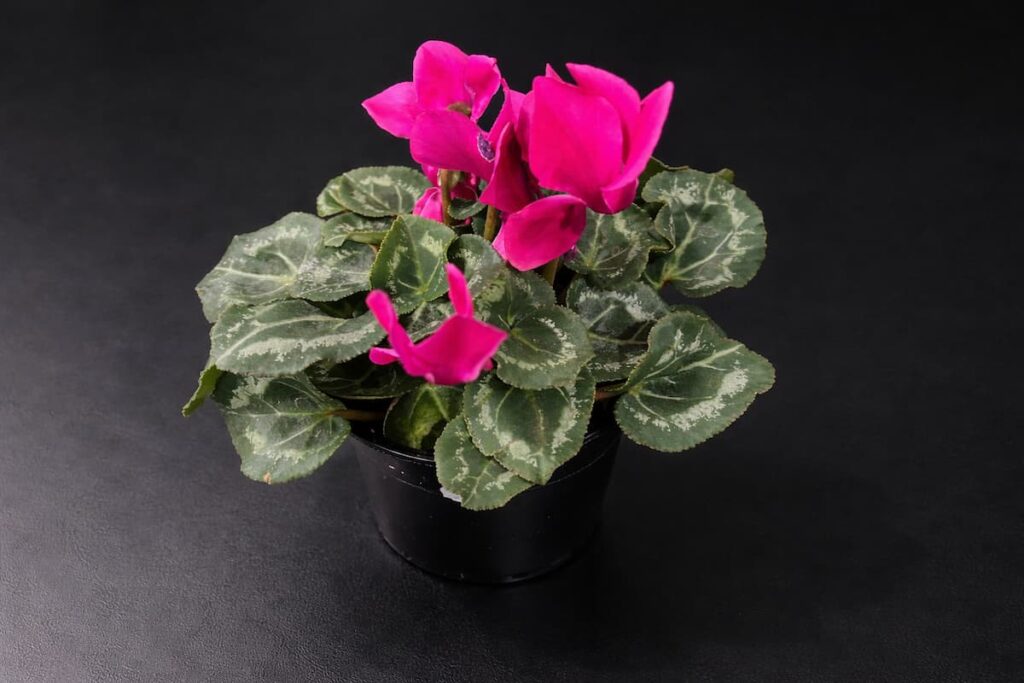
Cyclamen persicum earns its place on windowsills and tabletops through a combination of qualities that few winter plants can match. Its blooms — available in white, pink, red, lavender, and rich bicolors — are carried on slender stems above the foliage, with five petals reflexed elegantly upward, each blossom resembling a tiny swept-back butterfly or a miniature shooting star. The marbled, silver-patterned foliage is nearly as decorative as the flowers themselves and remains attractive even between blooming cycles.
With attentive care, a single plant can bloom for up to three months — a remarkable run for any houseplant. Modern hybrids have also expanded the range of sizes: you can find standard plants reaching up to twelve inches tall, intermediate forms, and compact miniatures perfect for a small sill.
At a Glance
| Plant type | Tuberous perennial |
| Native range | Eastern Mediterranean — Turkey, Greece, Cyprus, Levant, N. Africa |
| Bloom time | Late fall through late winter (up to 3 months) |
| Bloom colors | White, pink, red, lavender, purple, bicolor |
| Ideal temps | 60–65°F days · 50°F nights · below 70°F is essential |
| Light | Bright indirect — east or north window preferred |
| Pet safety | Toxic to cats, dogs, and horses — especially the tuber |
How to Care for Cyclamen
Most cyclamen are purchased, enjoyed briefly, and discarded — not because they’re difficult plants, but because a few key principles tend to go overlooked. Once you understand what this plant actually wants, it becomes quite rewarding to keep.
Temperature — the most critical factor
Cyclamen are cool-weather plants, and this is where most people go wrong. They prefer daytime temperatures of 60–65°F and nights around 50°F. Once temperatures rise above 70°F, flower buds will fail to develop and the plant will go into early decline. Keep it away from heating vents, radiators, and the tops of televisions or appliances — any source of warm, dry air is the enemy. An east-facing windowsill, an unheated sunroom, or a cool enclosed porch is often ideal.
Light
Bright indirect light is the goal. An east or north window is usually a good choice; in our Western New York winters, a south-facing window may be acceptable as long as direct sun doesn’t hit the plant for extended periods. Strong direct sun can scorch the leaves and trigger early dormancy.
Watering
Bottom watering is the preferred method, and for good reason — moisture on the crown of the plant (the center where leaves and stems emerge from the tuber) can cause crown rot quickly. Set the pot in a saucer of water and allow it to absorb for about 15 minutes, watching for the soil surface to just begin to moisten. Then remove the pot and let it drain fully — never leave it sitting in standing water. Water when the surface of the soil feels dry to the touch, but don’t allow the soil to dry out completely.
Feeding
A light feeding every two weeks during active growth will support continued blooming. Use a low-nitrogen fertilizer or a formula designed for flowering houseplants — too much nitrogen encourages leafy growth at the expense of flowers.
Deadheading
Remove spent flowers promptly to encourage the plant to set new buds. Don’t simply snip the stem — grasp it firmly at the base and give it a gentle twist and pull to remove the entire stem cleanly from the crown. Leaving stubs behind can invite rot.
Don’t Throw It Away — Understanding Dormancy
Here is the moment where most cyclamen meet an early end: as winter gives way to spring, the leaves begin to yellow and the plant appears to be dying. It isn’t. It’s following its natural rhythm, mirroring the dry Mediterranean summer its wild ancestors adapted to thousands of years ago. The tuber is simply going dormant — resting and conserving energy for the next growing season.
When you notice the foliage beginning to fade, gradually reduce watering over several weeks. Once all the leaves have yellowed and died back, you can remove them gently and move the pot — tuber still in place — to a cool (around 50°F), dry, shaded spot for the summer. A basement shelf or cool garage works well. Resume light watering in late summer, move the plant back to its bright window, and you may be rewarded with new growth and blooms again come fall.
It’s worth noting that getting cyclamen to rebloom at home is possible but not guaranteed — nursery conditions are difficult to replicate exactly, and the tuber has less stored energy each subsequent year. But with patience and the right care, a well-tended tuber can live for 20 years or more.
A Few More Tips
- Rotate the pot a quarter turn every week or two for even, upright growth.
- Set the pot on a tray of wet pebbles to increase humidity around the plant.
- Soft, drooping leaves usually signal underwatering — firm them up with a good bottom soak.
- Yellow leaves in winter mean heat, overwatering, or too little light. Yellow leaves in spring are normal.
- Select plants with lots of unopened buds — they’ll give you the longest bloom show.
- Keep away from all pets: the entire plant is toxic, but the tuber especially so.
A Winter Gift with Meaning
Long cultivated in European tradition, cyclamen have carried symbolic meaning for centuries. In parts of Europe they are associated with deep love and sincerity — a fitting sentiment for a plant that blooms quietly through the coldest, darkest months, asking very little in return. It’s no surprise that florist’s cyclamen have become a popular choice for Christmas gifts, Valentine’s Day arrangements, and winter celebrations of all kinds. The heart-shaped leaves feel particularly apt.
Whether you receive one as a gift this season or pick one up for yourself, Cyclamen persicum is one of winter’s most rewarding companions — elegant, long-blooming, and surprisingly resilient when its few preferences are respected. Keep it cool, keep it bright, and don’t give up on it when spring arrives.
Plant of the Month is a regular feature of OPGC meetings. Have a plant suggestion for a future meeting? Get in touch.