District 8 Spring Luncheon
Bringing Nature to Your Backyard
At the District 8 spring luncheon, Erin Masterson Holko of Masterson’s Garden Center made the case that a truly wildlife-friendly yard isn’t about adding more — it’s about doing a little less.
Spring 2026
What does it take to turn a suburban backyard into a functioning wildlife habitat? According to Erin Masterson Holko of Masterson’s Garden Center, who presented at this season’s District 8 spring luncheon, the answer is simpler and more liberating than most homeowners expect.
Her presentation, titled “Bringing Nature to Your Backyard,” walked attendees through five core requirements for establishing a genuine wildlife habitat: food, water, cover and shelter, places for animals to raise young, and sustainable practices that keep the habitat healthy over time. Together, these pillars form the framework promoted by the National Wildlife Federation, and each one can be addressed in even a small yard.
Oak trees check all five boxes. They support more than 500 different creatures as host plants alone.
Food: Start with Plants
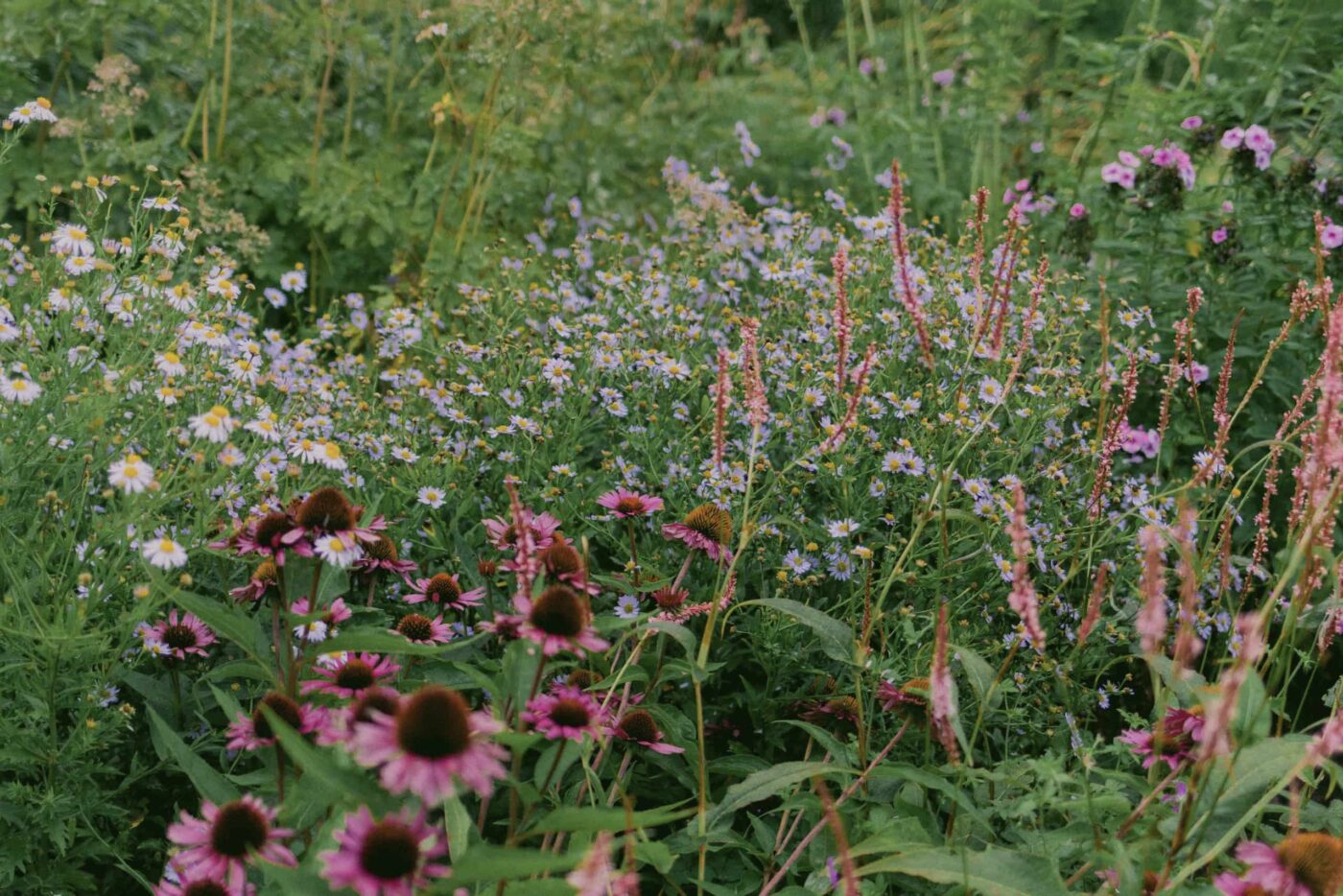
At the center of any wildlife food web are plants, and not just any plants. Native plants serve as host plants for specific insects, which in turn feed birds, amphibians, and small mammals. The relationship is irreplaceable: without native host plants, many insects simply cannot complete their life cycles.
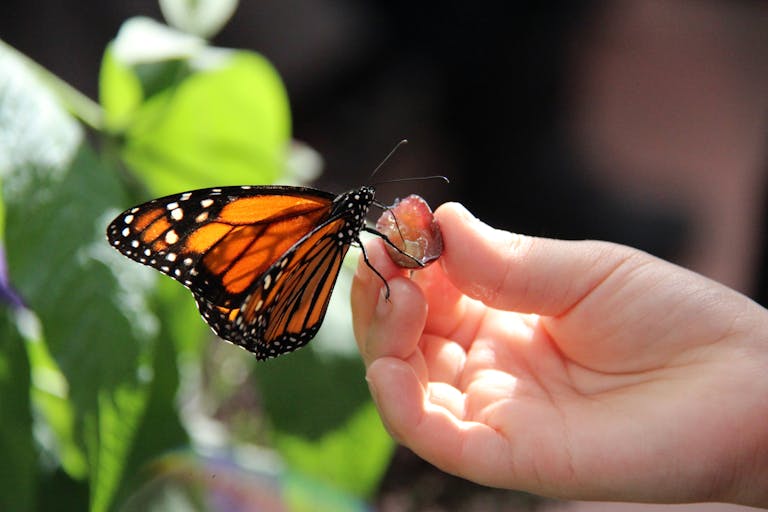
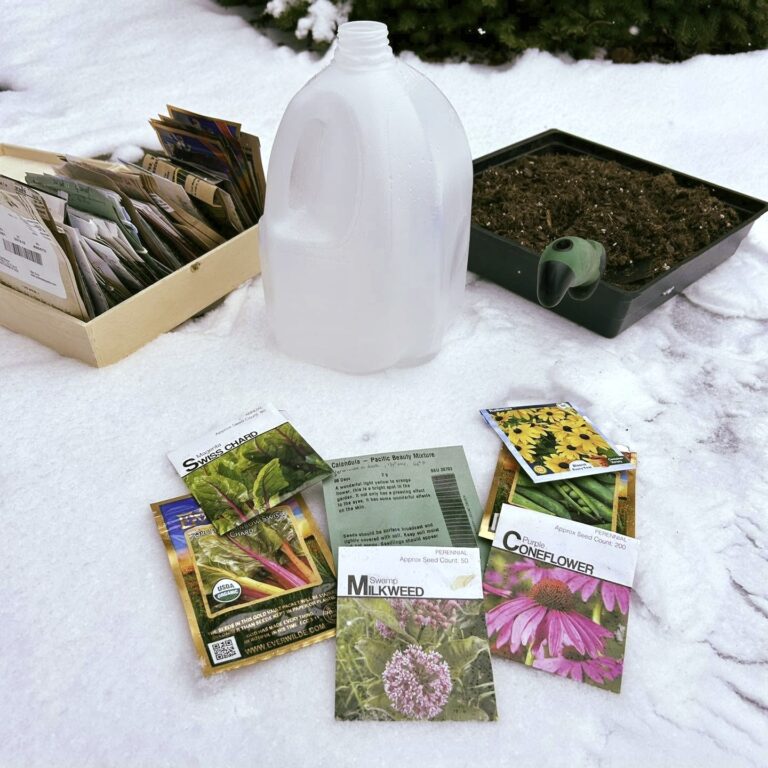
Milkweed drew particular attention as a non-negotiable for anyone hoping to support monarch butterflies, a species whose dramatic decline has been closely tied to the disappearance of milkweed from the American landscape. But the plant palette goes well beyond monarchs. The presentation highlighted several native species worth adding to any Western New York garden:
- Milkweed — nectar source and essential monarch host plant
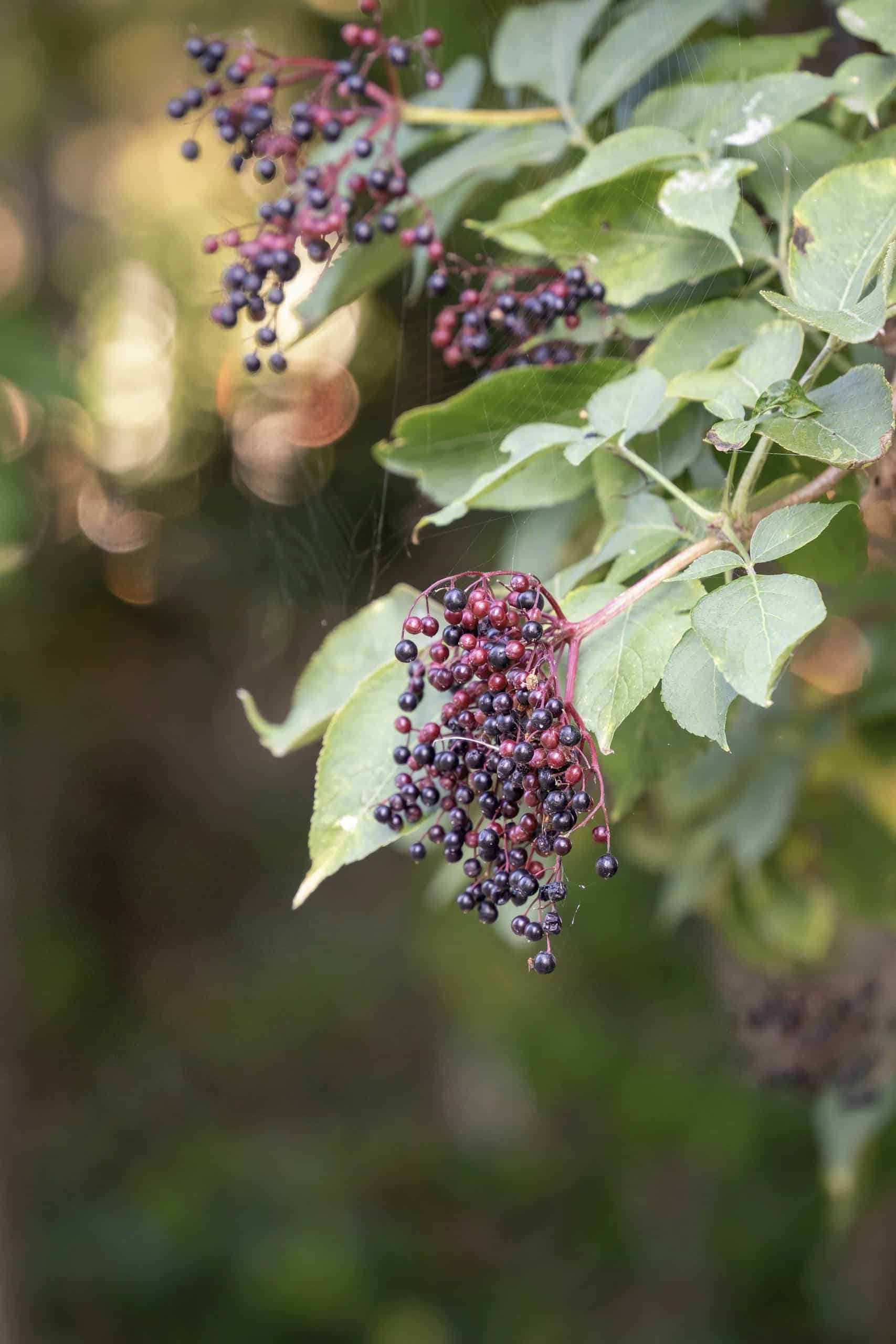
- Elderberries — easy to establish, offering both nectar and berries for birds and mammals
- Goldenrod — late-season blooms that provide critical nutrition for fall pollinators
- Native sunflowers and grasses — seeds that feed a wide range of wildlife through winter, with uncut stems providing overwintering habitat for insects
- Pine trees — nutritious cones that sustain wildlife through cold months
Berries, nuts, nectar, and pollen each serve distinct audiences in the wildlife community, from bees and hummingbirds to bats and moths, making plant diversity the single most effective investment a habitat gardener can make.
Water: Shallow and Accessible
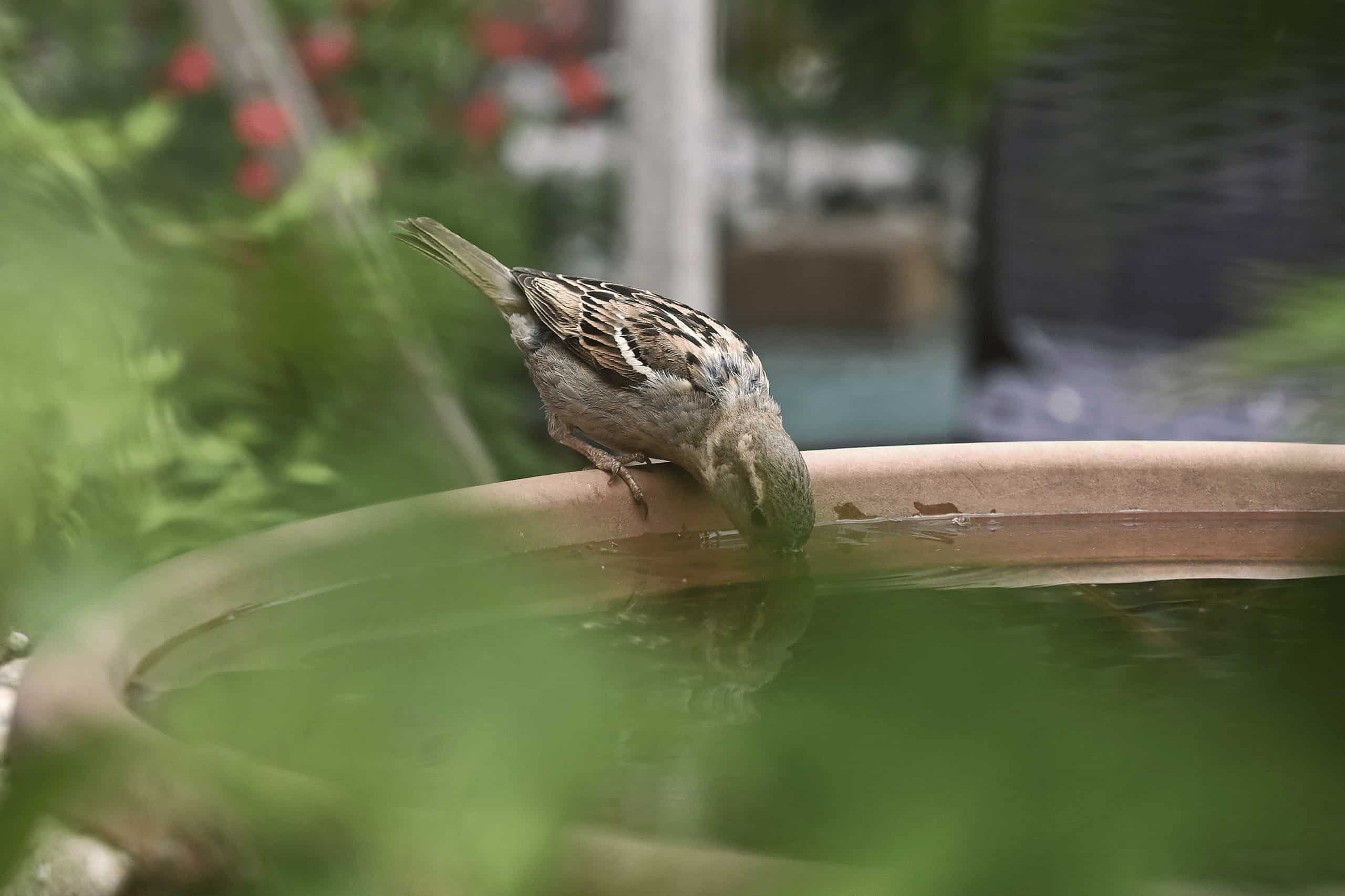
Water is essential not just for drinking, but for cooling, reproduction, and the life cycles of countless insects. The presentation offered options scaled to every yard size: full water gardens and small ponds (where frogs will often arrive on their own within weeks), bird baths positioned so bees and butterflies can reach the water, rain gardens that capture runoff and prevent erosion, and puddle rocks, which are shallow dishes that give butterflies and bees a place to drink without drowning.
The key design principle throughout was shallowness. Large, deep water sources exclude many of the smallest pollinators that benefit most from reliable water access. For larger features, moving water or small fish help prevent mosquito breeding without chemical treatments.
Cover: The Art of Doing Less
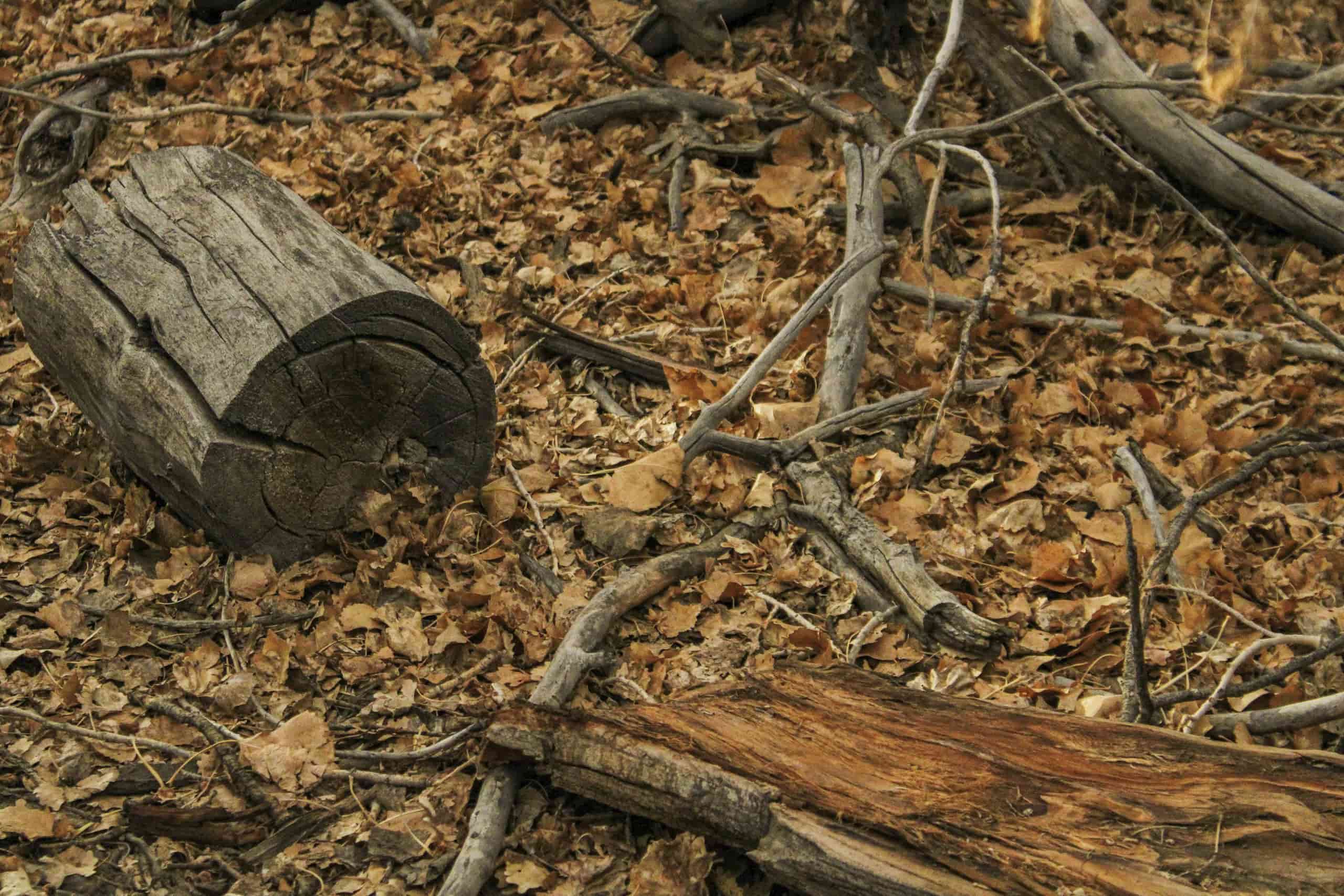
Perhaps the most counterintuitive section of the presentation addressed shelter, and it came with good news for the time-pressed gardener. Most of what wildlife needs for cover costs nothing and requires no labor. The prescription: stop.
Stop cutting back stems in fall (countless insects overwinter inside them). Stop raking every leaf (leaf litter is prime insect breeding habitat). Stop mowing sections of lawn that could transition to meadow. Leave brush piles. Leave log piles. Allow bramble patches. Let fallen trees, called snags, remain in place, since they provide nesting sites for native bees that are far more effective garden pollinators than imported honeybees.
On that last point, the data is striking: native bees typically forage within 150 feet of their nest, compared to the three-mile range of honeybees. For actual garden pollination, a thriving native bee population nearby is far more valuable.
Sustainable Practices: Working with Nature
The final section of the presentation turned to the long-term habits that make or break a backyard habitat. Invasive species, including Japanese knotweed, invasive honeysuckle, and multiflora rose among the most common local culprits, were flagged as priority targets. Unlike native plants, invasive non-natives lack the natural predators and relationships that keep them in balance, allowing them to crowd out the species wildlife depends on.
Reducing lawn area emerged as another high-impact step. Turf grass, Holko noted, provides no meaningful wildlife value. Replacing even a portion of a lawn with dense native plantings improves habitat, prevents erosion, and reduces the chemical and water inputs lawns demand.
Additional Recommendations
- Use organic fertilizers and compost in place of synthetic products.
- Limit chemical pesticides, which affect far more than their intended targets.
- Turn off outdoor lights at night — artificial light disrupts bird migration patterns.
- Make compost from yard waste rather than sending it to the curb.
- Use fallen leaves as natural mulch instead of plastic weed fabric.
- Reuse nursery pots rather than discarding them after planting.
The yard that supports the most life, it turns out, is the one most comfortable with a little wildness.
The overarching message from Holko was one of reframing rather than renovation. A habitat garden is not a project to complete but a shift in perspective, from fighting natural processes to supporting them. The transformation happens slowly, in sections, one plant at a time. Add a native species here, leave a patch unmowed there, let the leaves stay where they fall. Over time, the habitat builds itself.
Inspired to get started? Learn more and register your yard at Homegrown National Park.
Interested in more garden inspiration? Browse our Chronicles posts
*OPGC occasionally features guest presenters from local businesses and organizations. Mentions do not constitute endorsement.