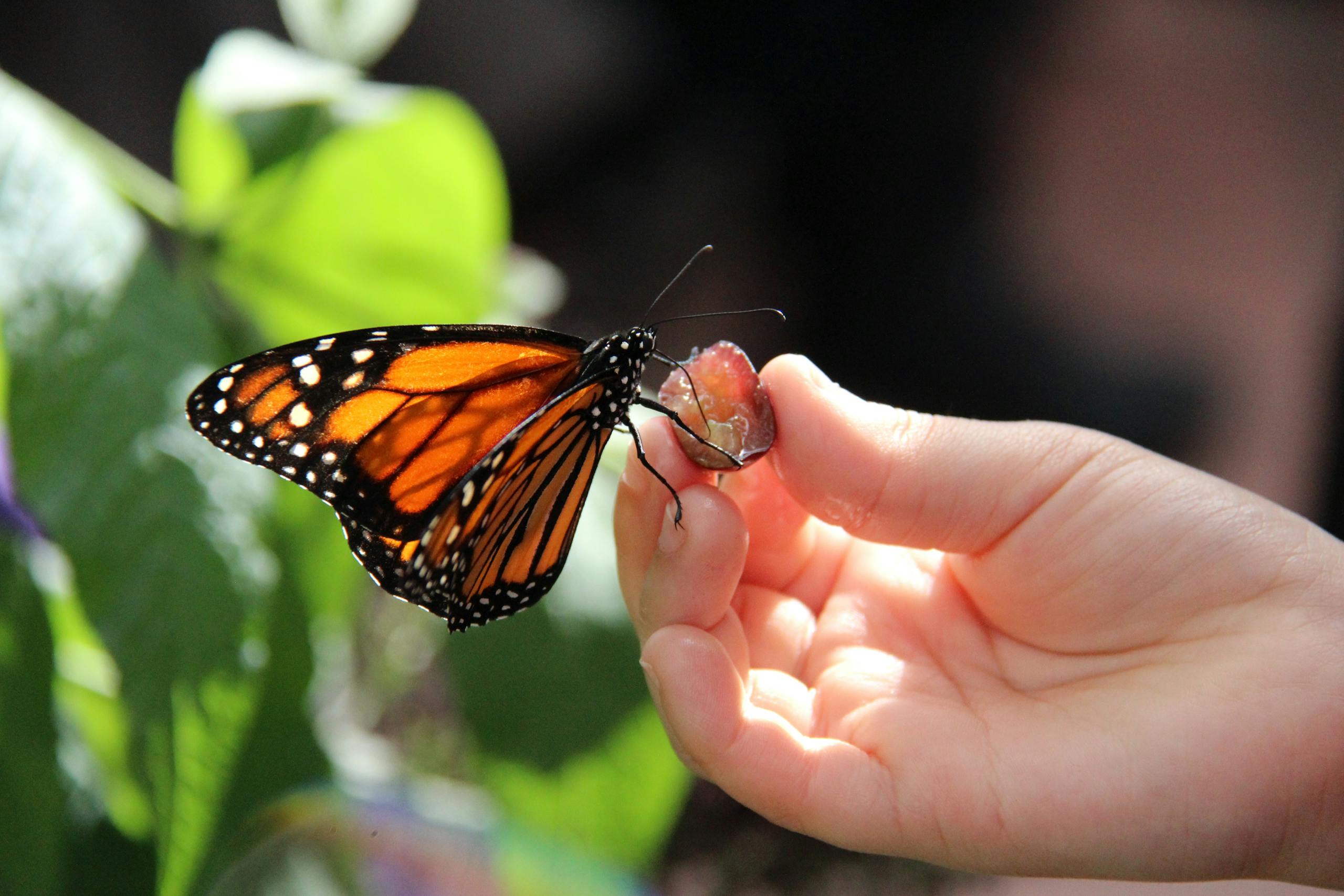
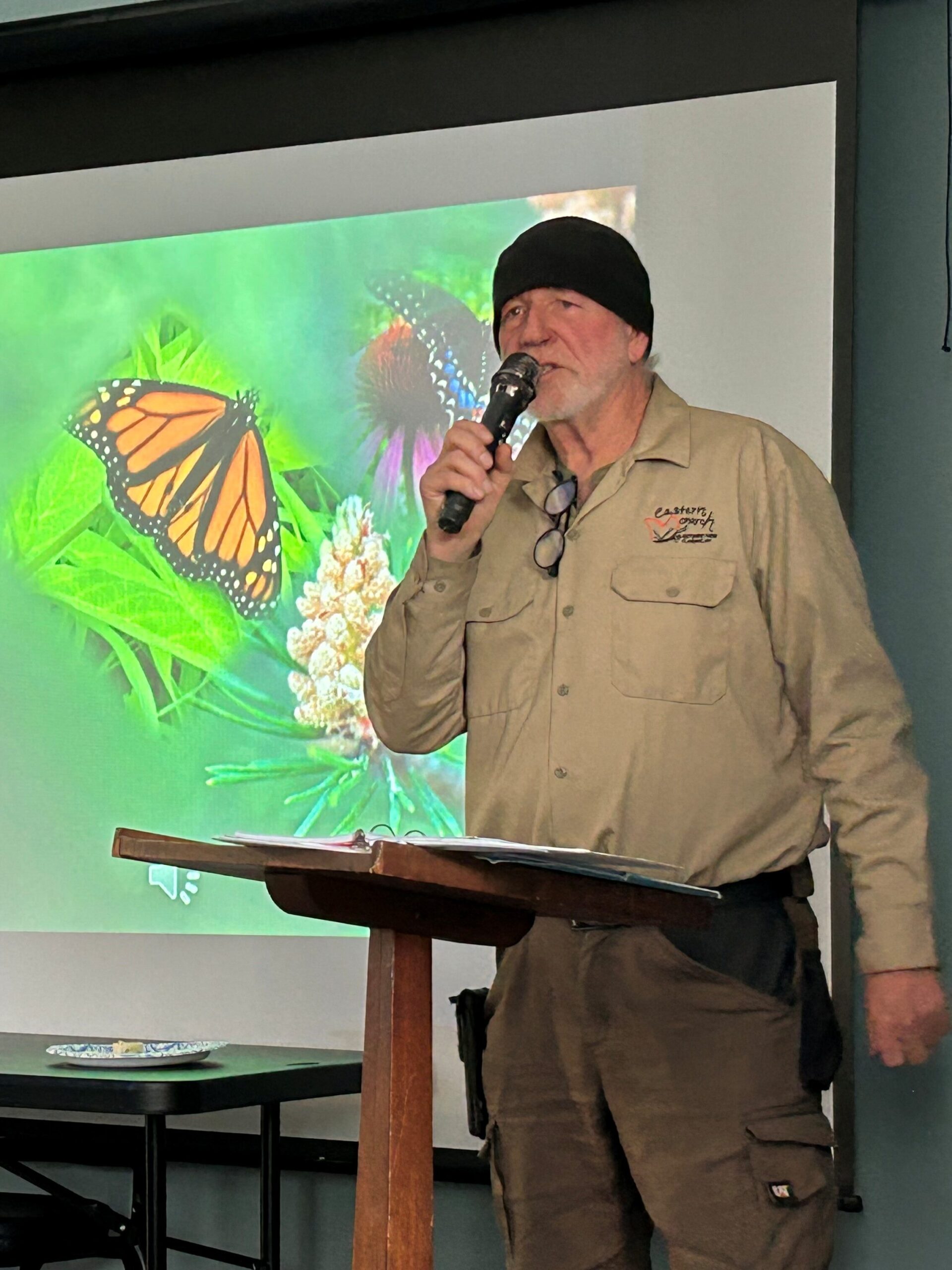
Few things captivate a gardener quite like a monarch gliding by on a summer day. At our February meeting, David O’Donnell of the Eastern Monarch Butterfly Farm reminded us why these orange-and-black travelers have captured so much attention and why they need our help. Monarchs are famous for their migration, and for good reason, too. Eastern monarchs travel thousands of miles from our cold winter climates to overwinter in the cool, misty oyamel fir forests of central Mexico. Encouragingly, the population count there nearly doubled in 2025, offering a welcome sign of progress after years of decline. Still, monarch numbers remain fragile, and continued conservation is essential.
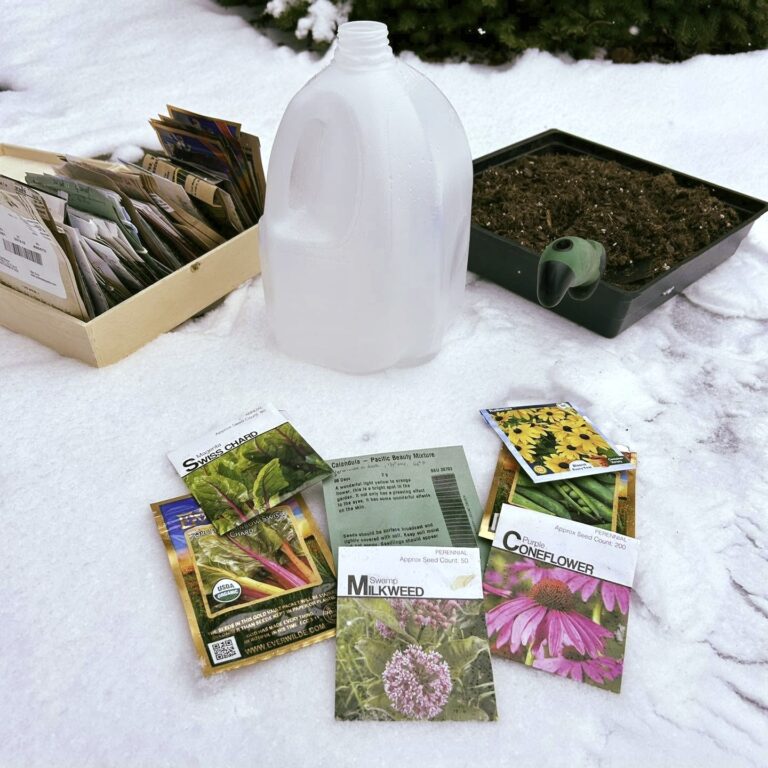
Our guest reminded us why milkweed plays such a crucial role: monarch caterpillars rely on it exclusively for food. Female monarchs in the wild lay just one egg per leaf, ensuring each caterpillar has enough food to survive. Within weeks, that tiny egg becomes a chrysalis and then a butterfly, ready to seek out nectar plants and continue the cycle. Not all milkweed is the same, so choosing the right plant for the right spot also matters. Common milkweed prefers dry, sunny, well-drained soil, while swamp milkweed thrives in damp areas. Even a single milkweed plant can attract monarchs, so you do not need a large patch to make a difference.
We also learned that monarchs face many challenges. While milkweed makes them distasteful to many predators, they still fall victim to insects, birds, disease, habitat loss, and other environmental pressures. Western monarchs, which overwinter along the California coast, are especially at risk and are declining at alarming rates, offering a stark reminder of the challenges monarchs face everywhere.
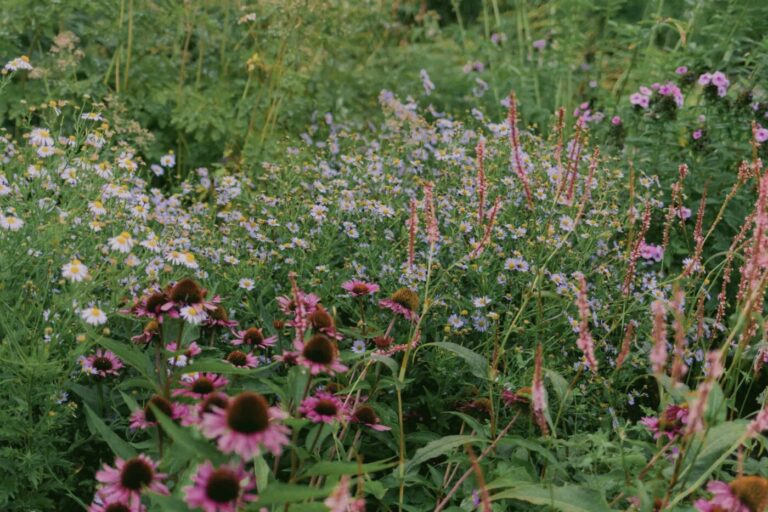
Perhaps the most hopeful message was that conservation starts close to home. Involving children, planting thoughtfully, and paying attention to what we grow can have a real impact. Butterfly houses may look charming, but it’s plants, especially native ones, that truly support monarchs. David O’Donnell’s passion, experience, and practical advice left us both inspired and informed. Protecting something as extraordinary as a 3,000-mile migration can begin with something as simple and as ordinary as a single plant in your garden.