Plant of the Month
Coral Reef Red Echeveria
Echeveria · Also known as Mexican Hens and Chicks
Rosette succulent · Mexican native genus · Drought tolerant, best grown in a container here
Echeveria ‘Coral Reef Red’ is a compact rosette succulent with frilly, ruffled leaf edges and striking red coloring. It belongs to the Coral Reef series, a line of drought-tolerant echeverias that Green Fuse Botanicals introduced in red, pink, and aqua selections in 2013.
The genus name honors Atanasio Echeverría y Godoy, a Mexican botanical artist who traveled with the Royal Botanical Expedition to New Spain in the late 1700s and produced thousands of plant illustrations. Swiss botanist Augustin Pyramus de Candolle named the genus for him in 1828, using his botanical illustrations in his work.
Echeveria is a large genus of more than 200 recognized species in the stonecrop family, Crassulaceae. Most are native to Mexico, with others found in Central and South America and one species native to Texas. Gardeners have crossed them endlessly, which is why so many echeverias in garden centers are named hybrids and selections rather than wild species.
What It Looks Like
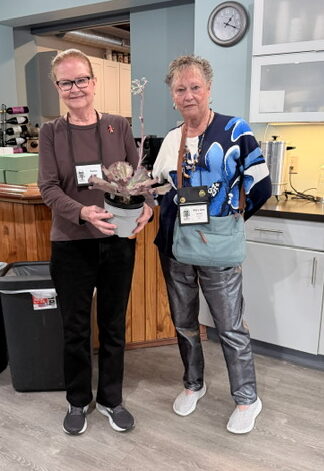
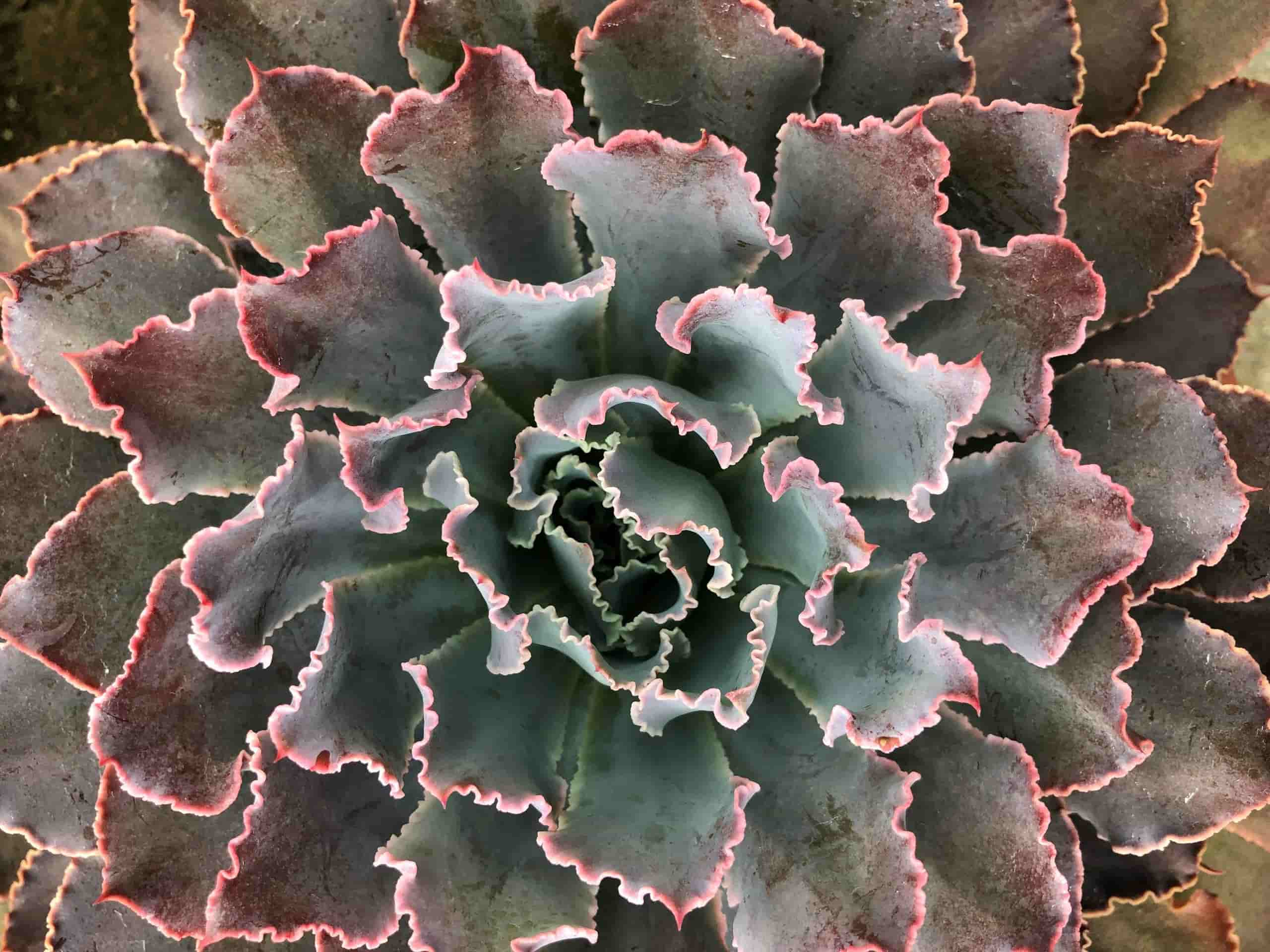
Coral Reef Red forms a low rosette of thick, fleshy leaves with heavily ruffled margins. The foliage ranges from burgundy to deep maroon, often with bright red edges. The rippled leaves resemble the folds of underwater coral, giving the Coral Reef series its name.
Like many colorful echeverias, its appearance depends on how it is grown. Bright light often brings out the strongest red coloring, while insufficient light can cause the colors to fade and the rosette to stretch.
Mature plants may send up tall flower stalks with small, bell-shaped flowers that attract hummingbirds. Older leaves at the base of the rosette naturally shrivel and dry out. Once completely dry, they can be gently removed if they detach easily.
At a Glance
| Plant type | Evergreen rosette succulent |
| Native range | The genus is native to Mexico, Central and South America, with one species native to Texas; ‘Coral Reef Red’ is a cultivated selection |
| Bloom time | Spring through fall under favorable conditions |
| Foliage | Ruffled rosettes with burgundy to deep maroon leaves and bright red edges |
| Light | Bright light; full sun to part shade |
| Soil | Gritty, fast-draining |
| Hardiness | Generally Zones 9–11; frost tender and unable to survive a Zone 6 winter outdoors |
| Pet safety | The ASPCA lists several Echeveria species as non-toxic to cats and dogs |
How to Grow It
Light
Give it plenty of bright light. Outdoors in summer, full sun to part shade works well, but gradually introduce an indoor-grown plant to direct sunlight to prevent leaf scorch. Indoors, choose your brightest window. Too little light causes the rosette to stretch and the red coloring to fade.
Soil and Containers
Use a gritty, fast-draining cactus or succulent mix in a pot with drainage holes. Good drainage is essential, because soggy soil can quickly lead to root rot.
Watering
Water thoroughly, then let the soil dry out before watering again. Overwatering is the most common cause of root rot. Wrinkled leaves may indicate that the plant needs water, particularly if the soil is completely dry. Cut back further in winter, when the plant prefers to stay on the dry side.
Winter Care
In our Zone 6 climate, grow Coral Reef Red in a container and bring it indoors well before the first frost. Set it in a bright, cool spot and water sparingly until spring. Move it back outside once the weather has warmed, gradually acclimating it to stronger sunlight.
Propagation
Many echeverias can be propagated from leaf cuttings, offsets, or stem cuttings. To try a leaf cutting, gently remove a healthy leaf, let the broken end dry for a few days, then place it on well-draining succulent mix. With luck, roots and a new rosette will develop. Some hybrids are more difficult to propagate than others.