Plant of the Month
Peruvian Lily
Alstroemeria · Also called Lily of the Incas
Tuberous perennial · South American native · Long-blooming, exceptional cut flower
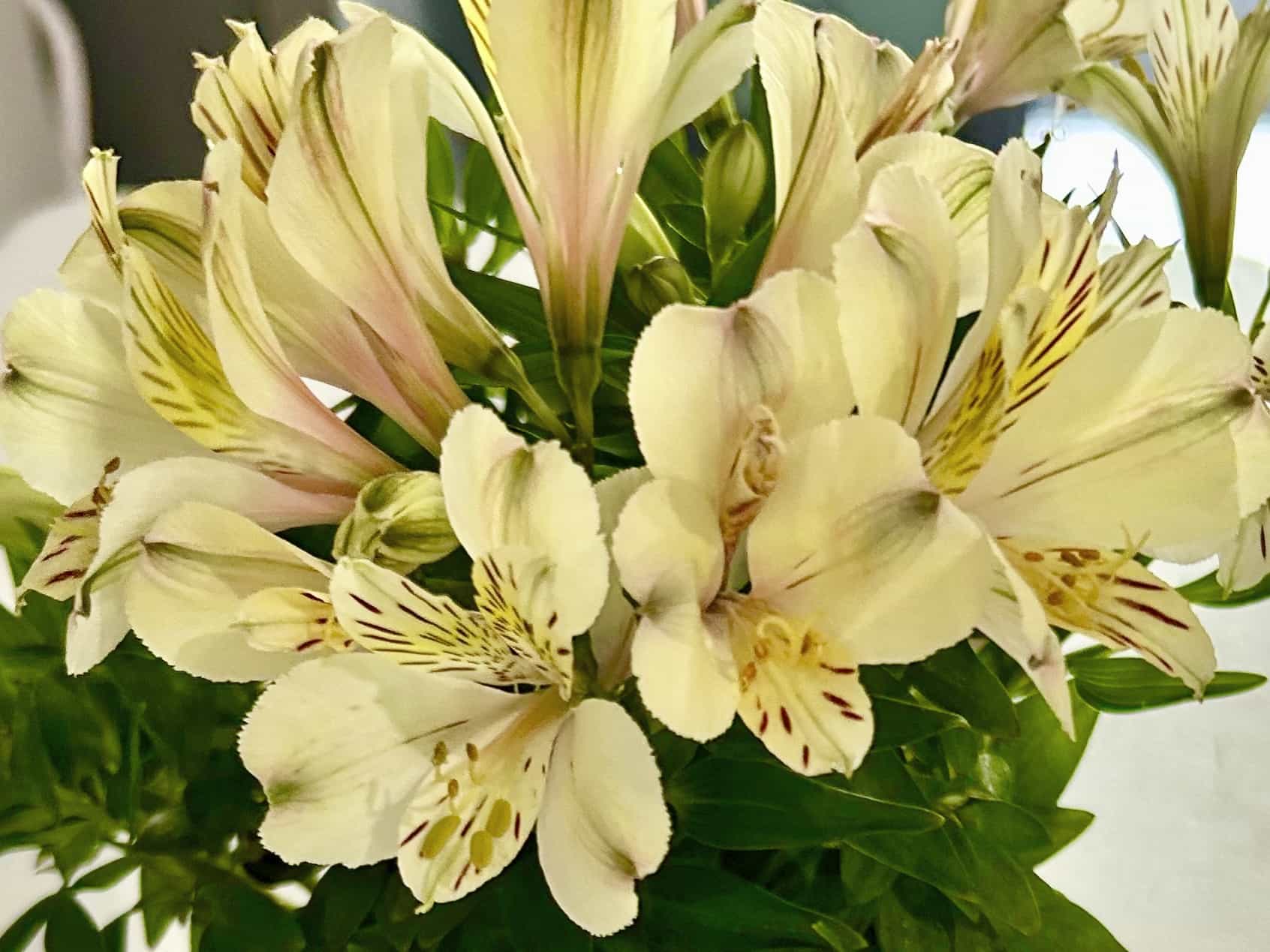
Despite the common name, the Inca or Peruvian Lily is not a true lily at all. It belongs to its own family, Alstroemeriaceae.
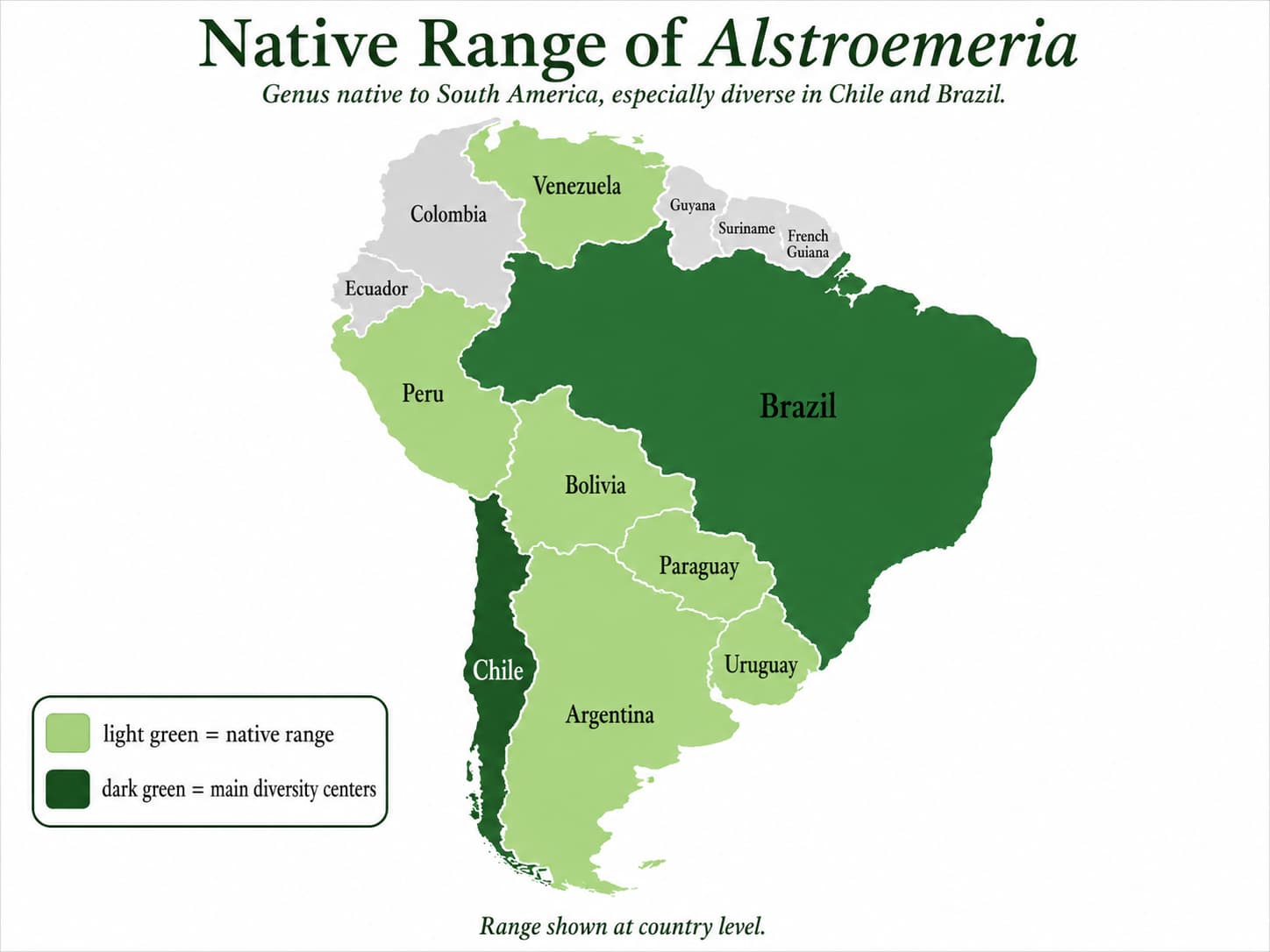
Alstroemeria is native to South America, with species ranging from southern Venezuela to the far south of the continent. Its two main centers of diversity are Chile and Brazil, with species also found in Peru, Argentina, and neighboring regions.
The genus takes its name from Baron Clas Alströmer, a Swedish naturalist, pupil, and friend of Carl Linnaeus. Linnaeus formally published the genus name in 1762. Most of the alstroemeria sold and grown today are hybrids developed by crossing the winter-growing Chilean species with the summer-growing Brazilian ones, a combination that gives modern varieties their long bloom season and sturdy stems.

What It Looks Like
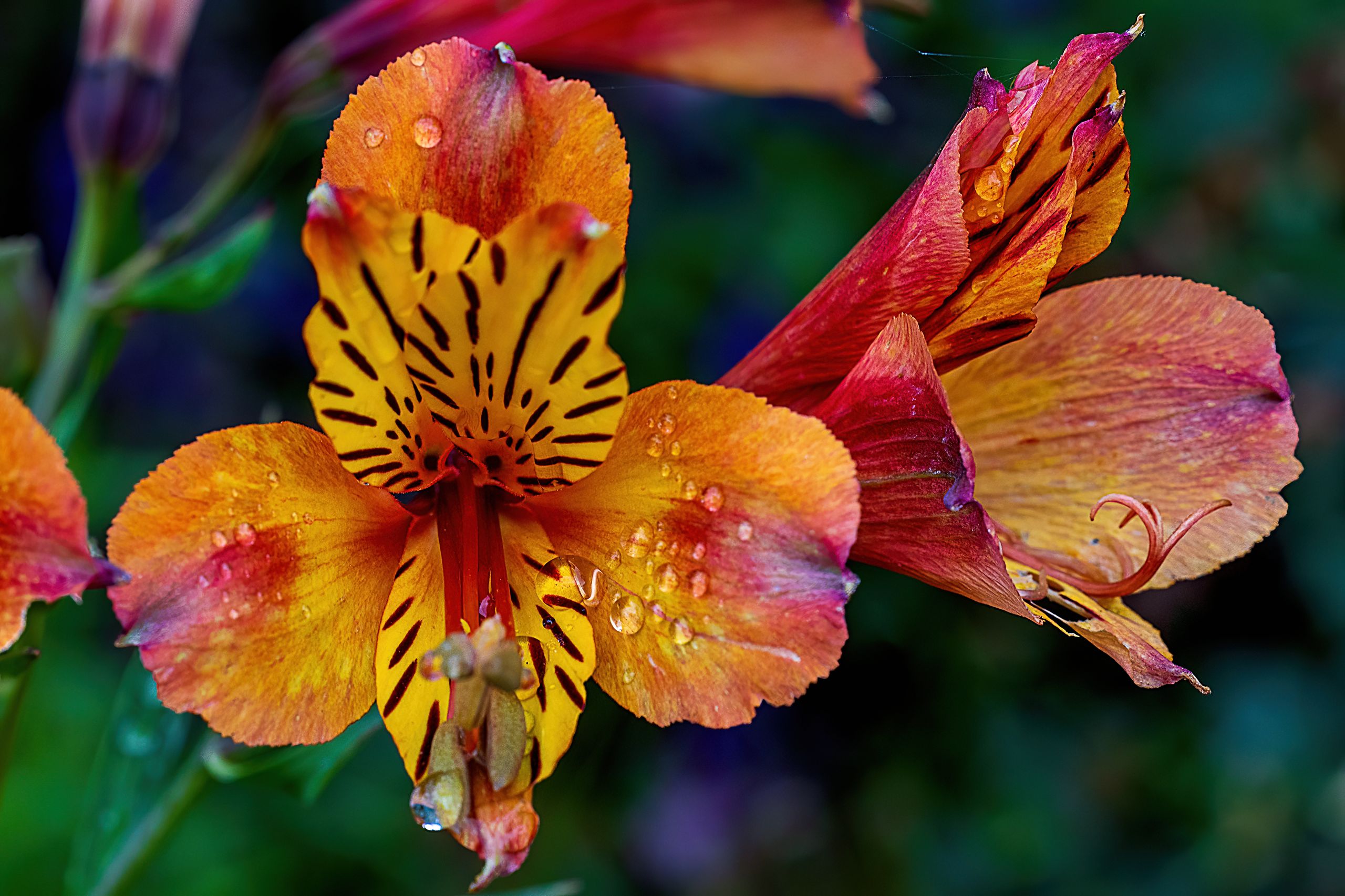
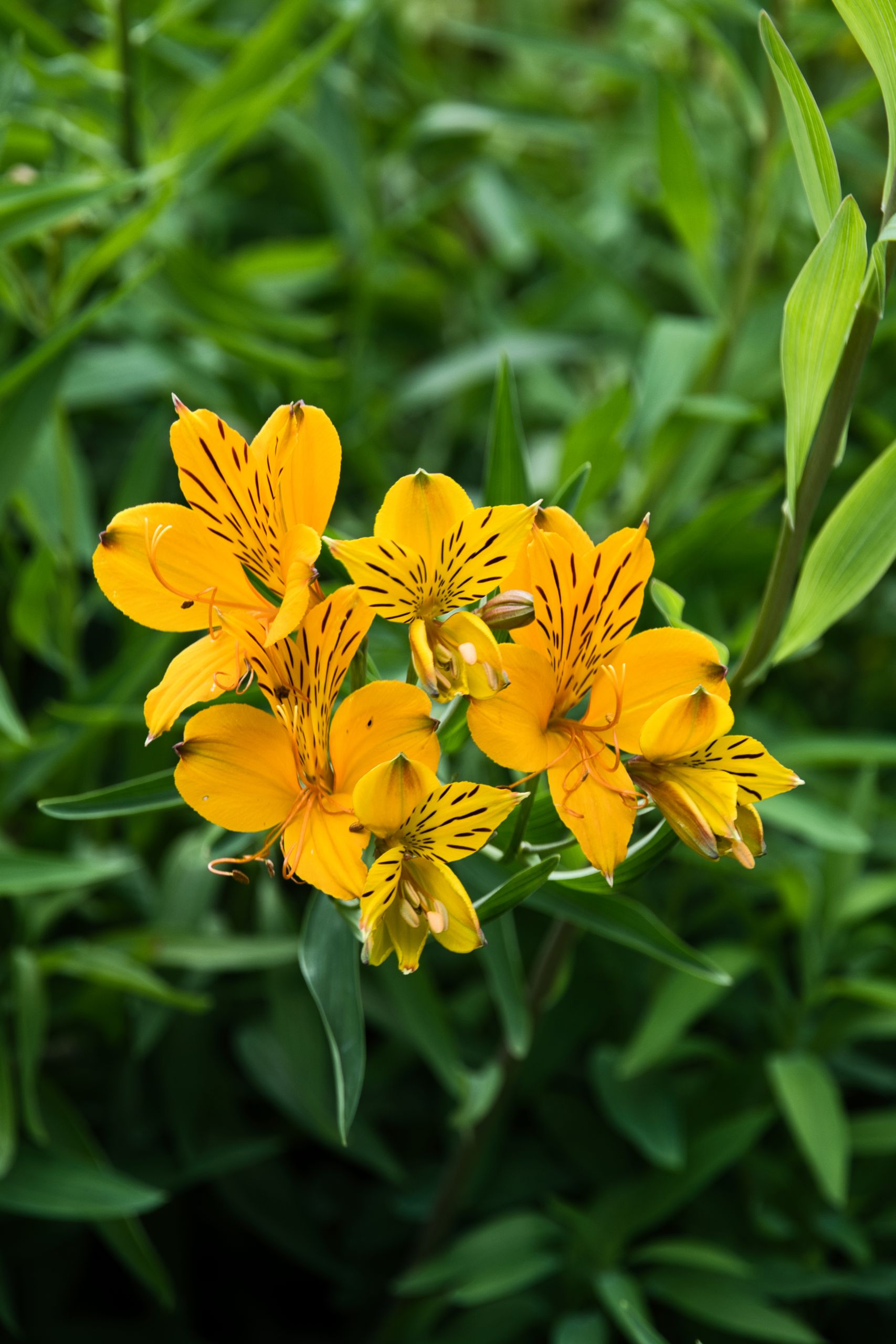
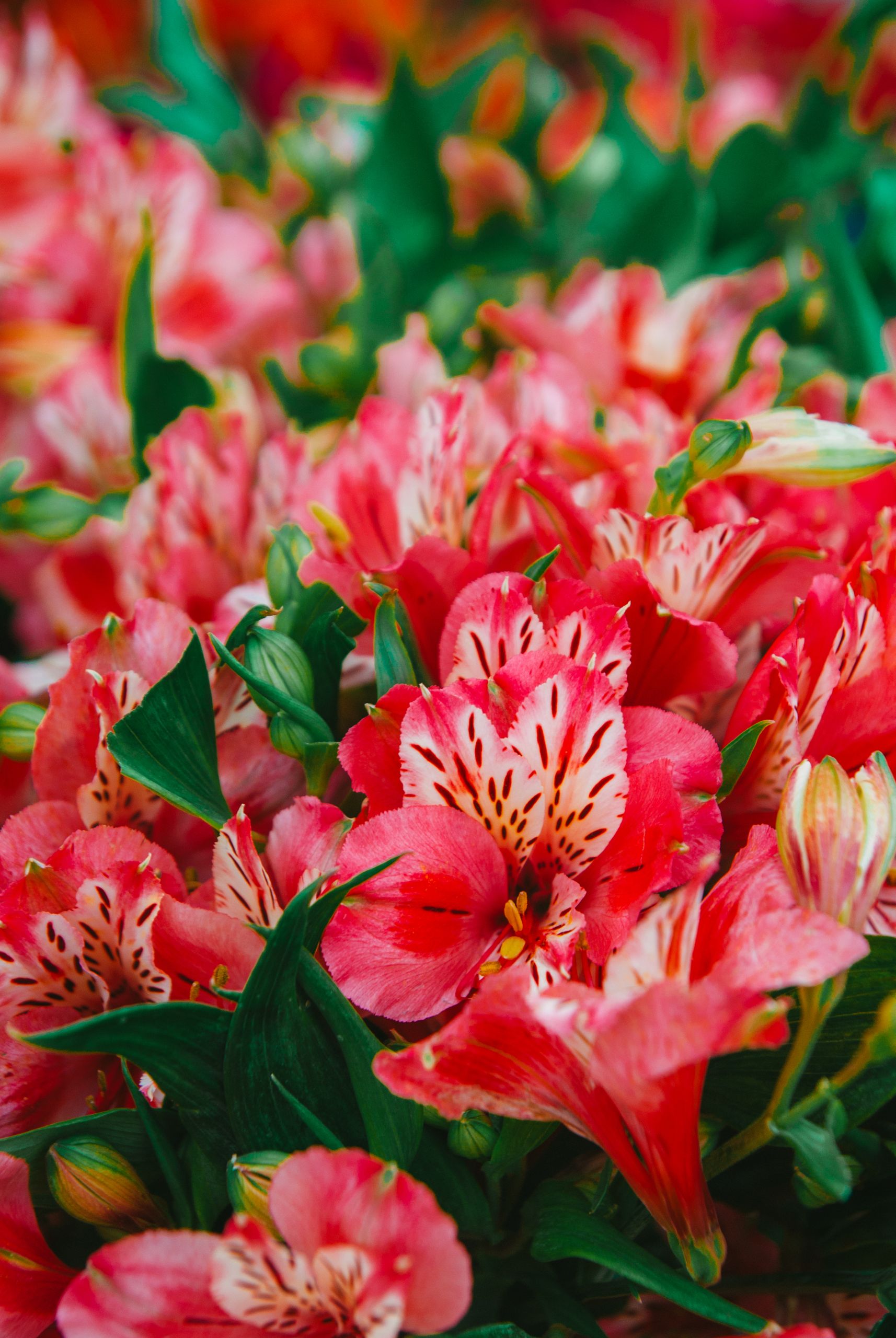
The flowers resemble small, freckled lilies, typically about two inches across, with six petal-like tepals marked with streaks and speckles in a contrasting color. They come in nearly every shade, including white, yellow, orange, pink, red, and purple, and are borne in clusters atop slender stems. One unusual feature is its foliage: the leaf stalks often twist near the base, so the leaves appear slightly turned or upside down. It’s a quirky detail that sets alstroemeria apart from true lilies at a glance.
Plants grow from brittle, fleshy tuberous roots rather than bulbs, and spread slowly into larger clumps over time. First-year plants tend to focus on establishing roots and bloom sparingly, but flowering increases significantly by the second year. Established plants bloom heavily from late spring into fall if spent stems are removed.
At a Glance
| Plant type | Tuberous perennial |
| Native range | South America, from southern Venezuela to the far south of the continent, with main centers of diversity in Chile and Brazil |
| Bloom time | Late spring through fall, if deadheaded |
| Flower color | White, yellow, orange, pink, red, purple, often bicolor |
| Mature size | 1 to 3 feet tall for most garden varieties, some up to 5 feet |
| Light | Full sun to part sun; afternoon shade helps in hot climates |
| Soil | Fertile, well-drained |
| Hardiness | Usually Zones 7 to 10, depending on variety; some modern cultivars may survive colder winters with excellent drainage and heavy mulch, but alstroemeria is not reliably hardy in Zone 6 without protection |
| Pet safety | Considered non-toxic to cats, dogs, and horses, unlike true lilies; however, the sap may irritate human skin |
How to Grow It
Planting
Plant tuberous roots in early spring, setting them about 6 to 8 inches deep, and handle them gently since they break easily. Space plants 1 to 2 feet apart. In our Zone 6 climate, alstroemeria is best treated as a container plant, since it isn’t reliably hardy here without protection.
Light
Alstroemeria wants at least six hours of sun a day. Morning sun with light afternoon shade is ideal in hotter conditions, but in our climate full sun works well.
Soil
Fertile, well-drained soil is important. Amend with compost at planting time, and add a layer of mulch to retain moisture and buffer temperature swings.
Watering
Water regularly during the growing season, especially while plants are establishing. Once settled in, alstroemeria tolerates short dry spells, but consistent moisture through the bloom season keeps flowering strong. Avoid soggy soil, which invites root rot.
Feeding
Alstroemeria is a fairly heavy feeder. Apply a balanced, slow-release fertilizer in spring, then feed monthly with a water-soluble fertilizer through the growing season to keep new flowering stems coming.
Deadheading
Rather than cutting spent stems, grasp each one at the base and pull it up and out with a gentle twist. This “pull, don’t cut” method encourages the plant to send up new flowering stems and is also how you harvest it for arrangements.
Winter care
In our zone, the easiest approach is to grow alstroemeria in a container and move it to a cool, frost-free place for winter. If planted in the ground, mulch heavily and choose a very well-drained, sheltered site, knowing survival is not guaranteed.
A note for handling
The sap can cause contact dermatitis in some people, especially with repeated handling. Gloves are wise when cutting, pulling, or dividing plants.