Plant of the Month
Golden Star
Chrysogonum virginianum
Native perennial groundcover · Semi-evergreen · Long-blooming spring carpet
Chrysogonum virginianum is a low-growing native perennial in the aster family (Asteraceae) and one of the best-known garden species in its genus. It is native to parts of the eastern United States, from Pennsylvania southward into the Southeast, where it grows naturally in woodland settings, usually in part shade to shade and in well-drained, moderately moist soil. The name Chrysogonum comes from the Greek for “golden joint,” a reference to the bright yellow flowers that appear at the nodes along the stems.
Different selections of golden star vary in growth habit, spreading behavior, and length of bloom.
What It Looks Like
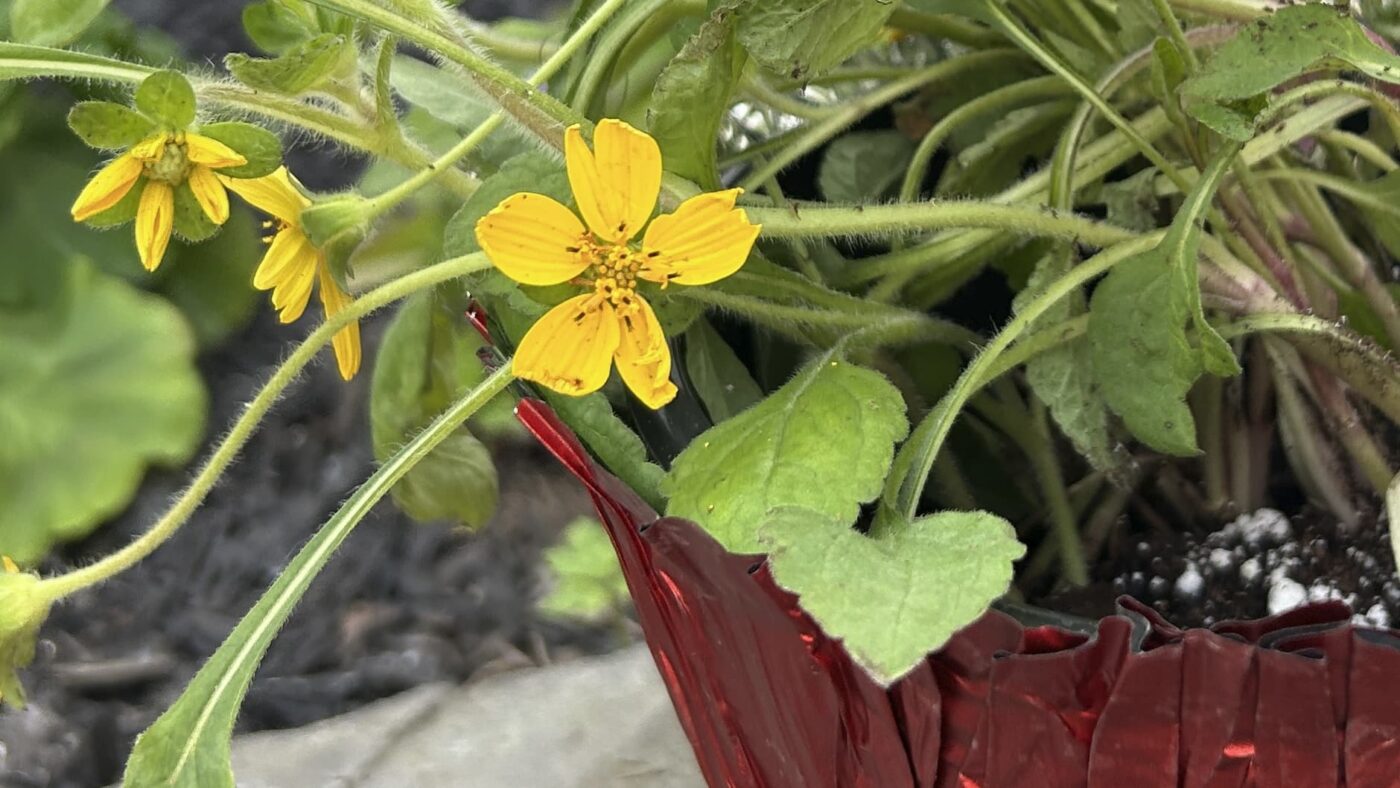
Many garden selections form a low, spreading groundcover of dark green, softly hairy leaves that are oval to heart-shaped with scalloped edges. Plants typically grow 6 to 12 inches tall and spread 12 to 24 inches wide over time. The foliage is semi-evergreen in Zone 6, often persisting through mild winters before new growth emerges in spring.
The flowers are bright golden yellow, with five slightly notched ray petals surrounding a small central disk. They appear heavily in April and May, then continue more sporadically through summer and into fall in cooler or shadier conditions. Individual flowers are about an inch across. Pollinators visit the flowers readily, and deer generally leave it alone.
It spreads by stolons and seed, but at a measured pace; it is not aggressive.
At a Glance
| Plant type | Herbaceous to semi-evergreen perennial |
| Native range | Eastern United States, from Pennsylvania southward into parts of the Southeast |
| Bloom time | April through June; sporadically to fall |
| Flower color | Bright yellow |
| Mature size | 6–12 inches tall · 12–24 inches wide |
| Light | Part shade to full shade; tolerates part sun with adequate moisture |
| Soil | Average to moderately moist, well-drained; prefers acidic, humus-rich soil but adapts once established |
| Hardiness | Zones 5–9 |
| Pet safety | Not listed as toxic by ASPCA, but absence from the list should not be treated as a guarantee of safety |
How to Grow It
Planting
Plant in spring or fall. Choose a location with partial to full shade. Golden star is a useful flowering native groundcover for shaded woodland conditions and can tolerate some dryness once established. It also tolerates part sun but performs best with protection from afternoon heat.
Space plants 12 to 18 inches apart. Set them at the same depth they were growing in the container and water well to settle the roots.
Soil
Golden star is fairly adaptable, but it performs best in well-drained, moderately moist soil with organic matter. It does not need rich soil or heavy amendment, though compost can improve poor or compacted soil. Good drainage is more important than fertility. Slightly acidic soil is preferred.
Watering
Water regularly during the first season to establish roots. Once established, golden star can tolerate some dry periods in shade, but it performs better with even moisture. It does not tolerate standing water or prolonged wet conditions.
Feeding
Little to no fertilization is needed. A light top-dressing of compost in spring is sufficient.
Maintenance
Cut back or shear the foliage lightly in early spring if winter has left it ragged. In Zone 6, the leaves may brown in a hard winter, but new growth emerges in early spring. Divide clumps as needed if they become crowded or thin in the center, and replant the vigorous outer sections.
Using It in the Garden
Golden star works well as a groundcover under deciduous trees and shrubs. It pairs naturally with other shade natives, including wild ginger (Asarum canadense), foamflower (Tiarella cordifolia), and ferns. It is also well suited to the front of a shaded border, gentle shaded slopes, woodland edges, and transition areas where a low groundcover is useful.
Because it blooms in spring and provides nectar and pollen, it can be a useful early-season resource in a pollinator-friendly garden.
Cultivars Worth Knowing
‘Allen Bush’ is a dwarf, compact selection with leafy stolons and smaller yellow flowers. It blooms well in spring and may re-bloom in fall.
‘Mark Viette’ is a compact selection with a tidy habit, growing about 6 inches tall.
‘Pierre’ has softer green leaves and is noted for a long bloom time.