Sex in the Garden: Master Gardener Carol Ann Harlos Explains What Plants Are Really Doing
May 2026
While the title raised eyebrows, the content delivered. At the May general meeting, Master Gardener Carol Ann Harlos took the floor and opened with a clarification that set the tone for the next hour: “It’s not what you think.”
What followed was a ground-level tour of plant reproduction, the mechanics, the strategies, and the occasional deception, that reframed familiar garden plants as sophisticated biological operators.
The Premise
Harlos opened with a foundational point that gardeners sometimes forget: flowers do not exist for human enjoyment. They exist to produce more of their species. Because plants cannot move, they have spent millions of years evolving strategies to move their genetic material for them. Everything about a flower, its color, its scent, its architecture, is in service of that one goal.
Anatomy First
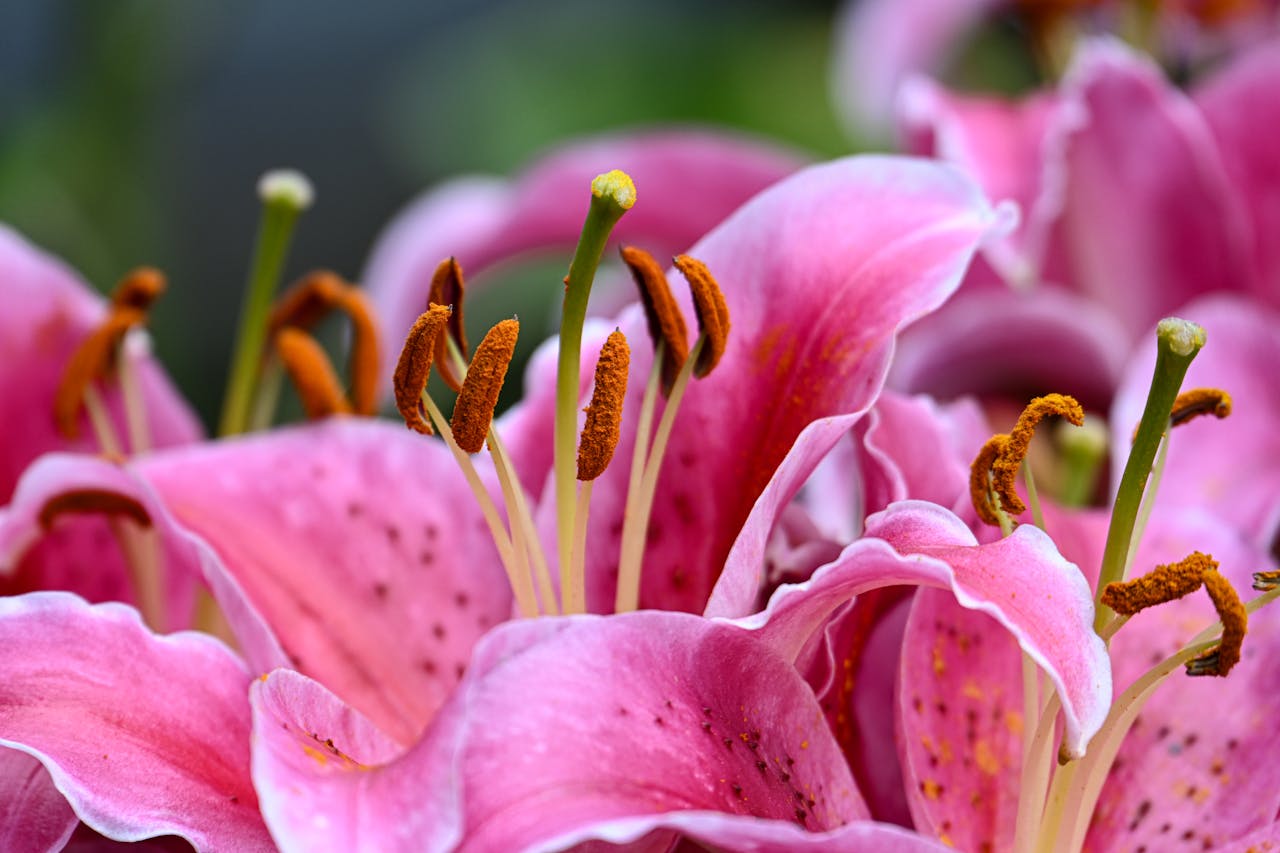
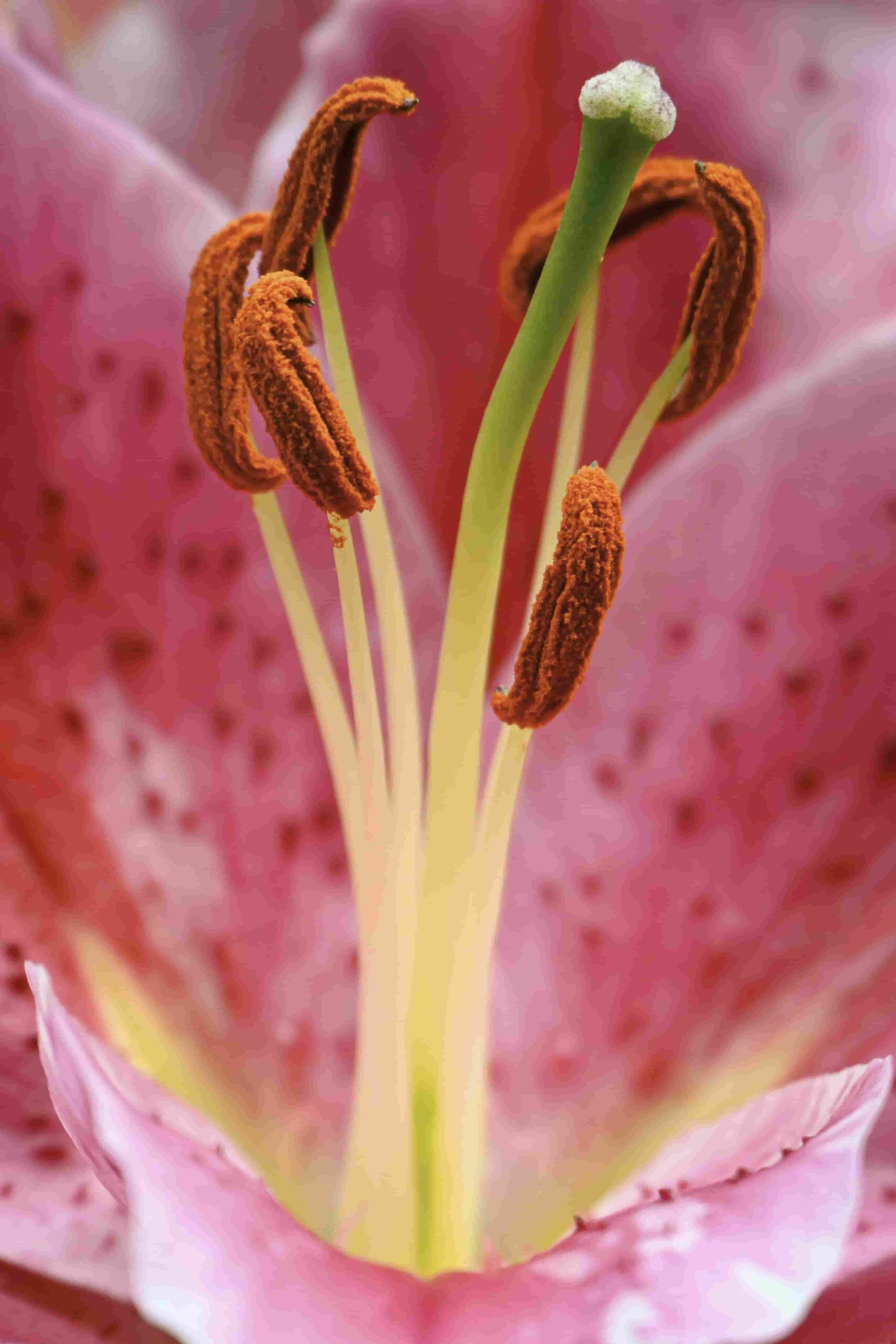 Before getting to behavior, Harlos walked through flower anatomy. The stamens, or male parts, produce pollen and are typically positioned for maximum exposure, easy contact with any visitor. The pistil, the female structure, sits at the center of the flower and contains the ovary and ovules. Nectar is produced by nectaries, usually at the base of the flower, and its primary role is to reward pollinators for showing up.
She also addressed a common misconception about two familiar plants. Poinsettias and dogwoods, she explained, don’t have showy petals. What appears to be a petal on both plants is actually a bract, a modified leaf. The true flowers on both are small and inconspicuous. The bracts do the advertising.
Four Strategies When Partners Are Scarce
When reliable pollinators aren’t available, plants don’t give up. Harlos outlined four strategies plants use to reproduce: attracting insects with nectar and bright colors; wind pollination, used by evergreens and grasses; water pollination, deployed by select aquatic species; and self-pollination as a last resort.
That last strategy was a thread she returned to throughout the presentation, not as a failure mode, but as a sophisticated backup plan built into many species.
Plants That Change the Rules
Several specific examples illustrated just how complex plant reproductive behavior can be.
Hellebore flowers are often protogynous, meaning their female structures are receptive first and their male pollen-producing function becomes prominent later. This timing encourages cross-pollination and reduces the chance of immediate self-pollination.
Squash operates on a similar principle, producing male and female flowers on the same plant but staggering their maturity so they rarely overlap. Begonias take the same approach, with structurally separate male and female flowers designed to prevent self-fertilization.
Violets run a two-track strategy. The showy purple spring flowers are built for cross-pollination, visible, attractive, open for business. Later in the season, the same plant produces small, closed summer flowers that self-pollinate without ever opening. Two different reproductive modes, one plant, one season.
Monkshood is more selective still. It is pollinated almost exclusively by bumblebees, whose body size and strength are suited to the flower’s structure. If no bumblebees visit, the plant self-pollinates.
Many common dandelions may not need pollinators at all. Through apomixis, they can produce fertile seeds without fertilization or insect visits, a botanical independence that speaks to a plant that has figured out how to thrive entirely on its own terms.
Signals Worth Noticing
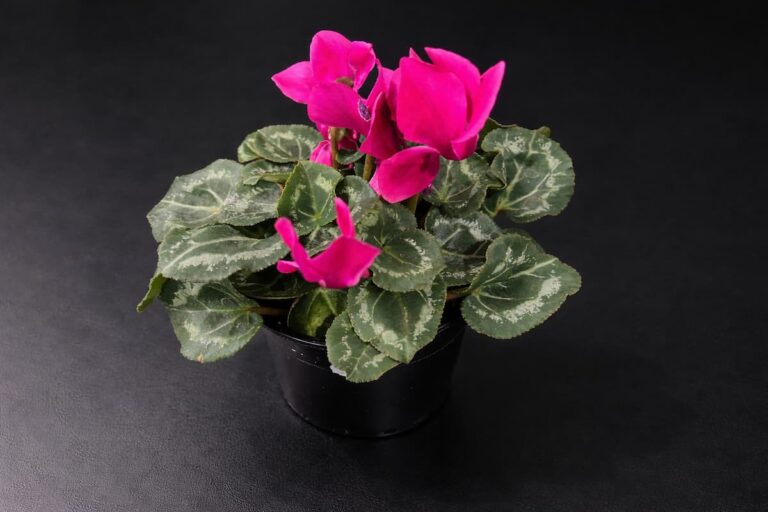
Harlos flagged two observations useful for attentive gardeners. Cyclamen flowers, she noted, bend over after successful pollination, a visible signal that fertilization has occurred. And pepper and tomato seeds sprouting inside the fruit, a phenomenon called vivipary, is not normal development. It indicates the plant is under stress.
A Practical Note on Allergies
One of the session’s most counterintuitive points involved plant allergies. Wind-pollinated plants, evergreens and grasses among them, are the primary culprits behind seasonal allergies. Their pollen is light, dry, and airborne by design. Insect-pollinated plants, whose pollen is sticky and heavy, rarely travel through the air. Blaming goldenrod for hay fever, Harlos noted, is a case of misidentification. It blooms at the same time as ragweed, which is wind-pollinated and the actual offender.
Whether you left knowing more about stamens than you expected or simply with a new appreciation for the dandelion, Harlos made one thing clear: the garden has been doing all of this long before we arrived, and it will keep doing it with or without our help.