Plant of the Month
Autumn Joy Stonecrop
Hylotelephium × mottramianum ‘Herbstfreude’ · Still widely sold as Sedum ‘Herbstfreude’
Hardy perennial · Late-summer bloomer · Excellent late-season pollinator plant
Hylotelephium × mottramianum ‘Herbstfreude’, commonly known as Autumn Joy stonecrop and still widely sold under the older name Sedum ‘Herbstfreude’, is a hardy perennial in the Crassulaceae family. Developed in Germany in the mid-20th century, it has become one of the most dependable plants for late-season garden color.
Autumn Joy has succulent, water-storing foliage that helps it withstand dry conditions. Like several related stonecrops, it can also use CAM-type photosynthetic adaptations during periods of water stress, helping conserve moisture. These features contribute to its excellent drought tolerance once established.
What It Looks Like
The plant forms a sturdy clump of upright, fleshy stems lined with succulent, gray-green leaves with toothed margins. It typically reaches about 18 to 24 inches in both height and spread.
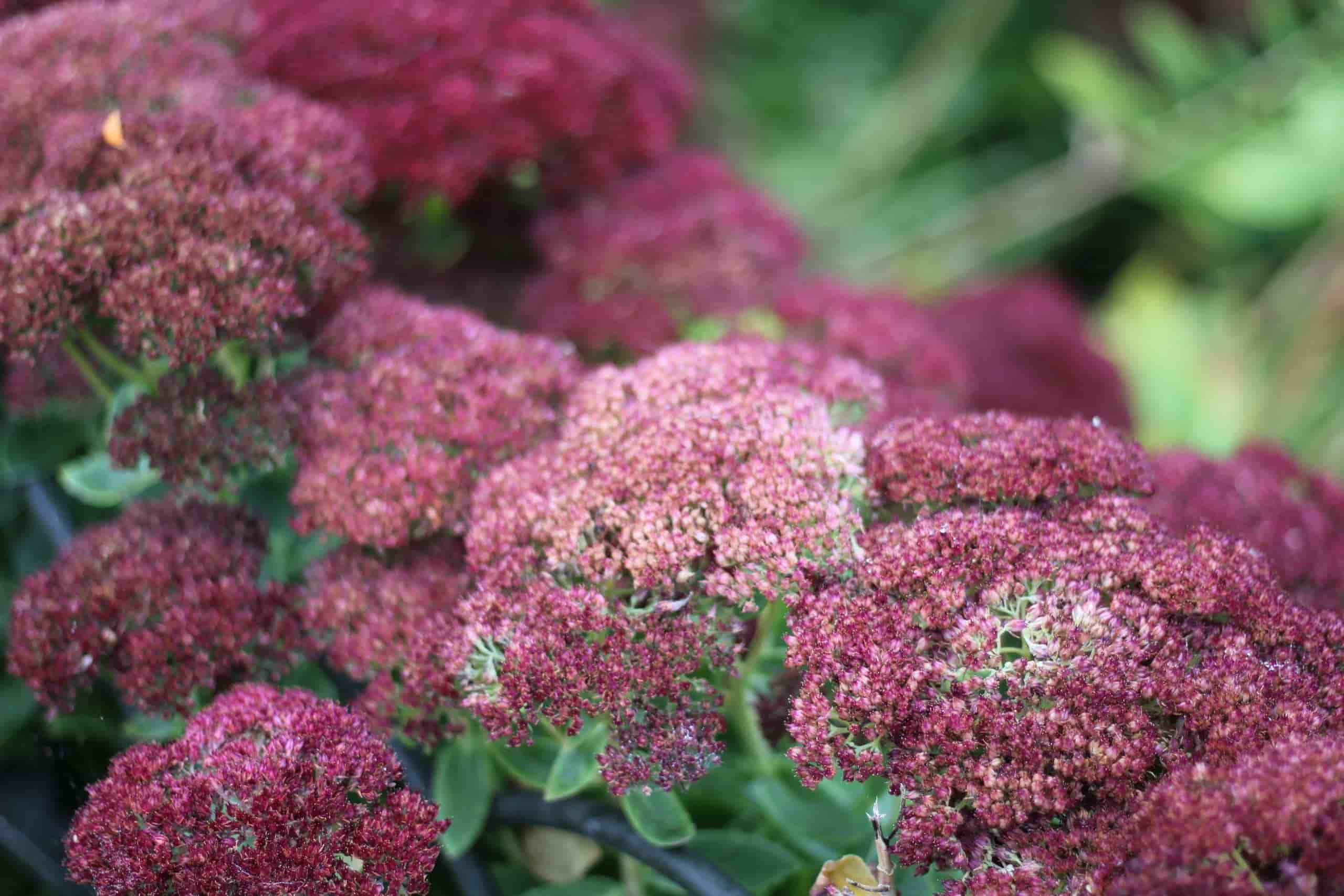
Flowering begins in late summer. Broad, flat-topped clusters contain numerous small, star-shaped flowers. Greenish-pink buds open pale pink, deepen to rich rose or reddish pink, and eventually age to russet-brown. The dried flower heads often remain standing into winter, providing attractive structure long after many other perennials have died back.
At a Glance
| Scientific name | Hylotelephium × mottramianum ‘Herbstfreude’ |
| Common name | Autumn Joy stonecrop |
| Older name | Sedum ‘Herbstfreude’ |
| Family | Crassulaceae |
| Bloom time | Late summer through fall |
| Light | Full sun, ideally 6+ hours of direct light |
| Height and spread | About 18 to 24 inches |
| Hardiness | USDA zones 3 to 9 |
| Water needs | Low once established |
| Soil | Well-drained, average to low fertility |
| Wildlife value | Excellent late-season pollinator plant |
How to Grow It
Light
Autumn Joy performs best in full sun, ideally receiving at least six hours of direct sunlight each day. Too much shade can cause the stems to stretch and flop.
Soil
It prefers well-drained soil of average to low fertility. Rich soil, excessive fertilizer, or consistently wet conditions can produce weak, leggy growth.
Watering
Once established, the plant is drought tolerant and generally needs little supplemental irrigation except during prolonged dry periods.
Propagation
Propagation is easy by dividing established clumps in spring or by taking stem cuttings, which root readily.
Wildlife notes
Its dense flower clusters provide an important late-season source of nectar and pollen for bees, butterflies, and other pollinating insects when many other garden plants have finished blooming. It is generally resistant to rabbit browsing, although deer may occasionally feed on it.